
Plant-Forward Cooking Techniques
Master the essential methods and skills that transform simple plant-based ingredients into extraordinary dishes. Discover the techniques professional chefs use to create depth, flavor, and satisfaction in plant-forward cuisine.
The information on this site is for educational purposes only and does not constitute medical advice. Always consult a qualified healthcare professional before making health decisions.
Foundational Plant-Forward Methods
Learn the core techniques that elevate plant-based cooking from simple preparation to culinary artistry.
Layering Flavors
Build complexity by combining aromatics, spices, acids, and umami elements at different cooking stages. This method creates depth impossible to achieve with single-step cooking. Start with aromatics like garlic and ginger, add spices at their optimal moments, introduce acid components near the end, and finish with umami boosters like miso, soy sauce, or nutritional yeast.
- Creates multi-dimensional taste profiles
- Reduces need for excess salt or oil
- Satisfies sophisticated palates
Texture Contrast
Plant-based meals shine when textures are varied—crispy, creamy, chewy, and tender elements on the same plate engage multiple senses. Techniques include toasting nuts and seeds, charring vegetables, creating silky purees, and properly cooking grains to maintain their structure while absorbing flavor.
- Enhances eating experience and satisfaction
- Prevents monotonous, heavy meals
- Showcases ingredient diversity
Umami Development
Activate the "fifth taste" by concentrating natural glutamates and nucleotides in plant ingredients. High-heat cooking, fermentation, and slow simmering intensify savory notes. Tomato paste, mushrooms, legumes, soy products, and aged ingredients are natural umami champions in plant-forward cooking.
- Creates deeply satisfying meals
- Reduces reliance on salt for flavor
- Mimics savory satisfaction of traditional dishes
Heat Control & Timing
Master the relationship between temperature and cooking time to achieve optimal results. High-heat searing creates caramelization and browning, medium heat allows gentle vegetable cooking, and low-and-slow methods develop rich stocks and stews. Understanding when to increase or decrease heat prevents overcooking and unlocks ingredient potential.
- Prevents nutrient loss from overcooking
- Develops color and Maillard reactions
- Ensures consistent, repeatable results
Essential Cooking Methods Explained
Each method serves a purpose in plant-forward cooking, from quick weeknight dinners to elaborate multi-component dishes.
Roasting & Charring
High-heat roasting caramelizes vegetable sugars, creating complex flavors and appealing textures. The Maillard reaction transforms simple ingredients into something extraordinary. Roasting brings out natural sweetness in beets, squash, and peppers while creating crispy exteriors on Brussels sprouts and mushrooms. Techniques include tossing with minimal oil, arranging in single layers, and rotating halfway through cooking.
Temperature: 425–475°F | Time: 25–45 minutes
Braising & Stewing
Low-and-slow cooking in liquid tenderizes tough vegetables and legumes while infusing them with aromatic flavors. This method builds rich, complex broths and sauces naturally. Braising works exceptionally well for plant-forward cooking—heartily textured vegetables like cabbage, kale, and root vegetables become tender and absorb flavor from herbs, spices, and aromatics. Perfect for batch cooking and meal preparation.
Temperature: 300–325°F | Time: 1–3 hours
Sautéing & Stir-Frying
Quick, high-heat cooking preserves vegetable integrity while developing flavor through contact with hot oil or pan. This technique is fundamental to weeknight cooking, allowing you to cook vegetables in minutes while maintaining crunch and color. The key is proper heat, minimal crowding, and strategic ingredient sequencing—adding ingredients based on their cooking time ensures everything finishes simultaneously.
Temperature: 350–400°F | Time: 5–15 minutes
Steaming & Blanching
Gentle cooking methods that preserve nutrients, color, and delicate flavors. Steaming is ideal for maintaining vegetable structure and freshness, while blanching and shocking (rapid ice-bath cooling) sets colors and textures before further cooking or serving. These techniques are essential foundations for composed dishes and meal components that require specific texture and appearance.
Temperature: Boiling water or steam | Time: 3–10 minutes
Grilling & Smoking
Direct heat and smoke create signature char marks, smoky depth, and caramelized flavors impossible to replicate indoors. Grilling works beautifully for heartier vegetables like eggplant, zucchini, portobello mushrooms, and halloumi-style plant-based cheeses. Smoking requires patience but rewards with unique flavor profiles that add sophistication to any dish. Both methods create visual appeal and pronounced taste.
Temperature: 350–450°F | Time: 5–20 minutes
Fermentation & Pickling
Transform vegetables through time and controlled fermentation, creating probiotics, depth, and complexity. These traditional techniques add pungency, brightness, and distinctive character to meals. Fermented vegetables serve as flavor boosters, sides, or garnishes that elevate otherwise simple preparations. The process requires minimal equipment and develops unique flavors unavailable through any other cooking method.
Time: 3 days to several weeks | Temperature: Room temperature
Master Plant-Forward Cooking: A 5-Step Journey
Progress from fundamentals to advanced techniques through deliberate practice and understanding.
Ingredient Selection
Choose quality, seasonal produce and pantry staples. Understand flavor profiles, textures, and how ingredients complement each other. Learn to evaluate ripeness, freshness, and optimal selection points.
Knife Skills
Master proper knife techniques for efficient, safe, and consistent cutting. Learn different cuts—brunoise, chiffonade, diagonal slices—and understand how cut size affects cooking time and presentation.
Heat Management
Understand your equipment—stovetop, oven, grill—and how to control temperature precisely. Learn when to apply high, medium, or low heat, and how to adjust based on ingredient response.
Flavor Building
Develop palate sensitivity to taste, balance, and seasoning. Practice layering aromatics, spices, acids, and umami. Learn to taste constantly and adjust seasonings throughout cooking.
Plating & Presentation
Compose dishes with visual appeal, proper spacing, and complementary components. Develop signature styles. Understand how presentation enhances perceived value and eating experience.
From Ordinary Ingredients to Extraordinary Dishes
See how proper technique transforms simple vegetables and legumes into restaurant-quality meals.
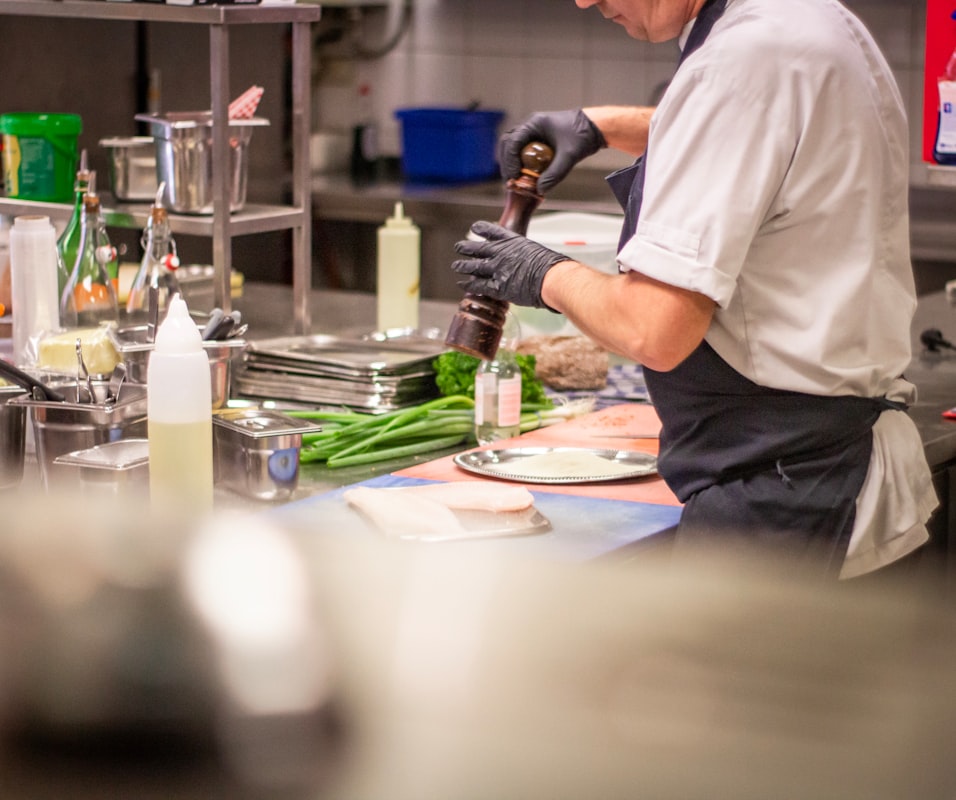
Roasted Vegetable Medley
Simple seasonal vegetables transformed through high-heat caramelization. Techniques: proper seasoning, single-layer arrangement, and optimal timing create deep flavors and crispy textures impossible with boiling or steaming.
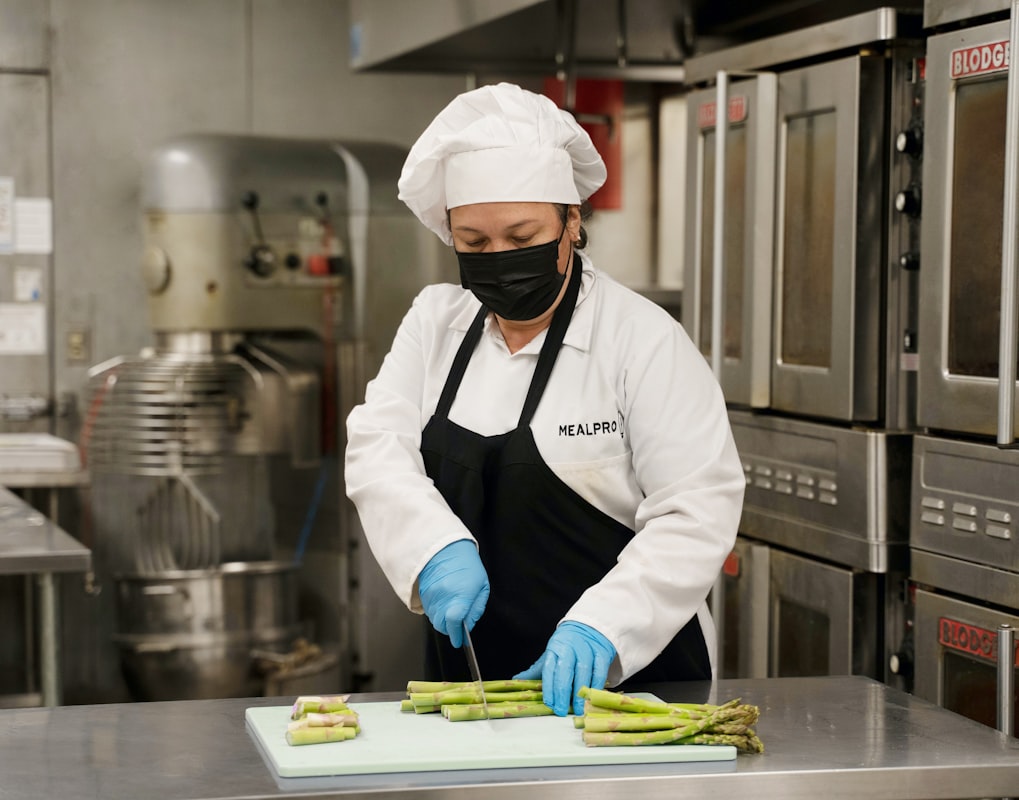
Rich Legume Broth
Humble beans and lentils develop into deeply satisfying, complex dishes through slow braising with aromatics and spices. This technique extracts gelatin naturally, creating silky mouthfeel and rich umami flavor without added fat.
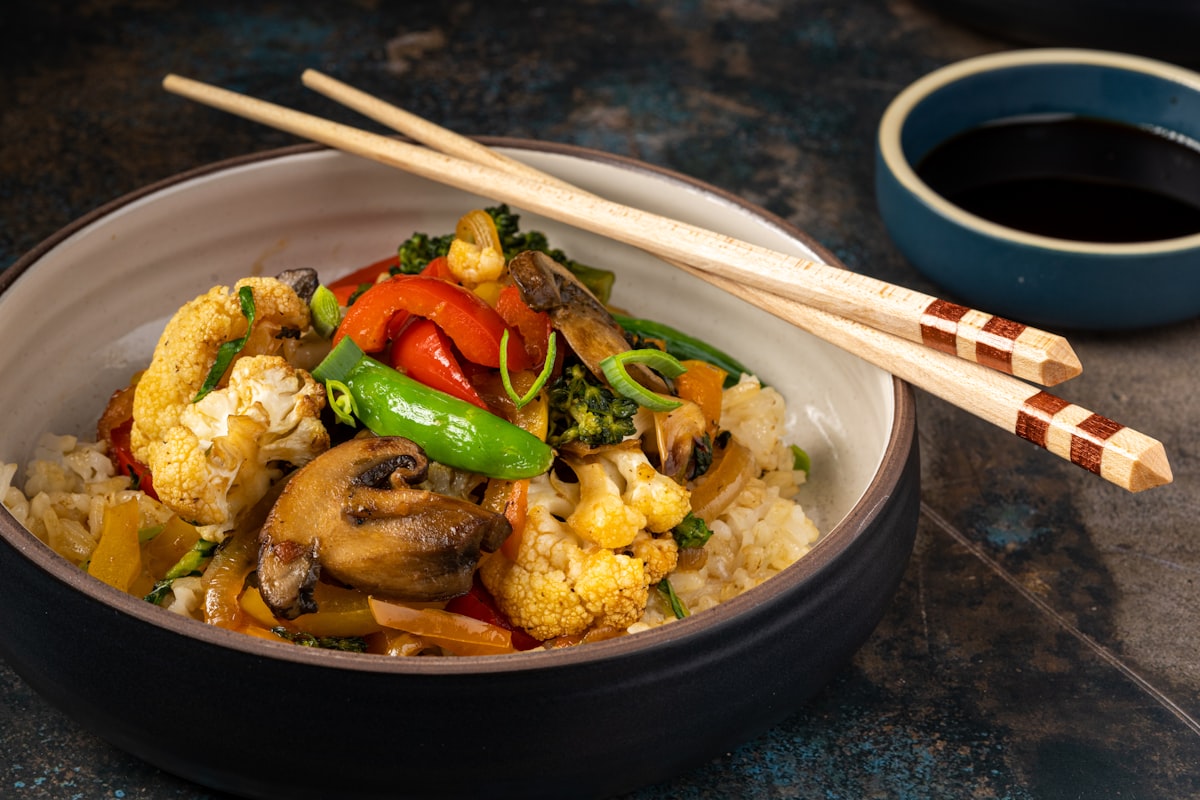
Composed Vegetable Plate
Multiple cooking methods on one plate—blanched vegetables, roasted components, fresh elements, and textured toppings. Technique mastery creates visual appeal and satisfying textural variety while highlighting each ingredient's strengths.
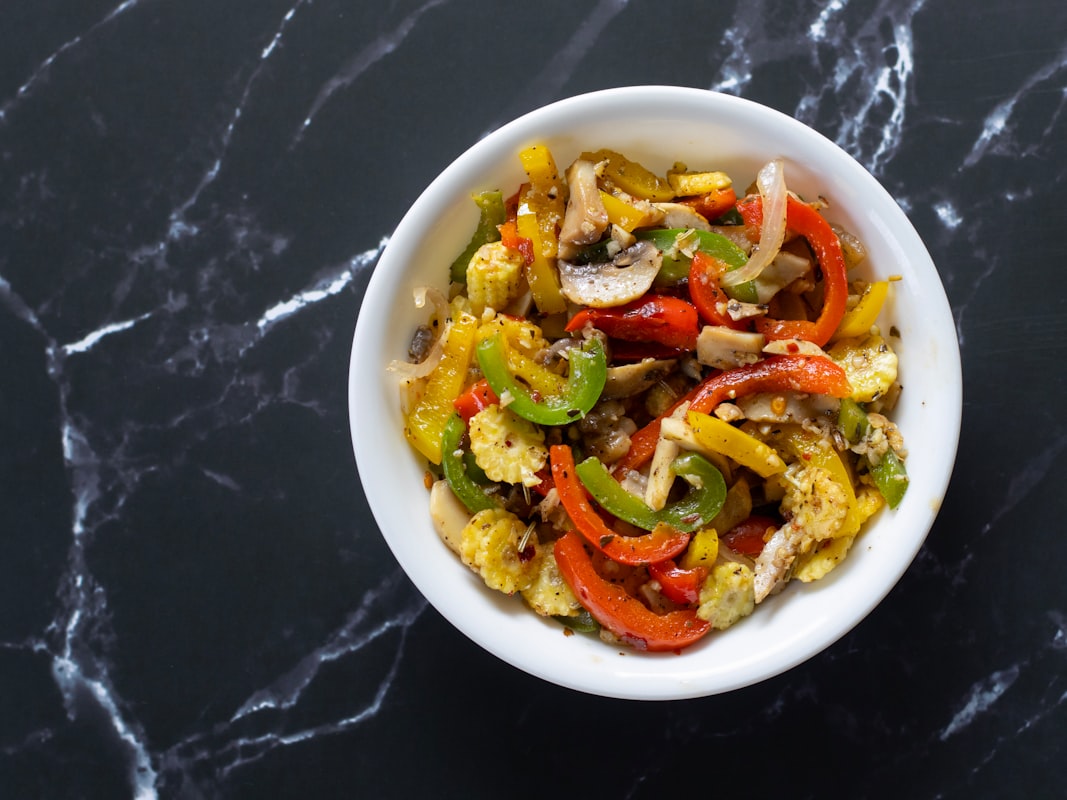
Grilled Mushroom Excellence
Hearty mushrooms develop intense umami and appealing char marks through direct grilling. The combination of smoke, high heat, and proper seasoning creates satisfying depth comparable to traditional grilled proteins.
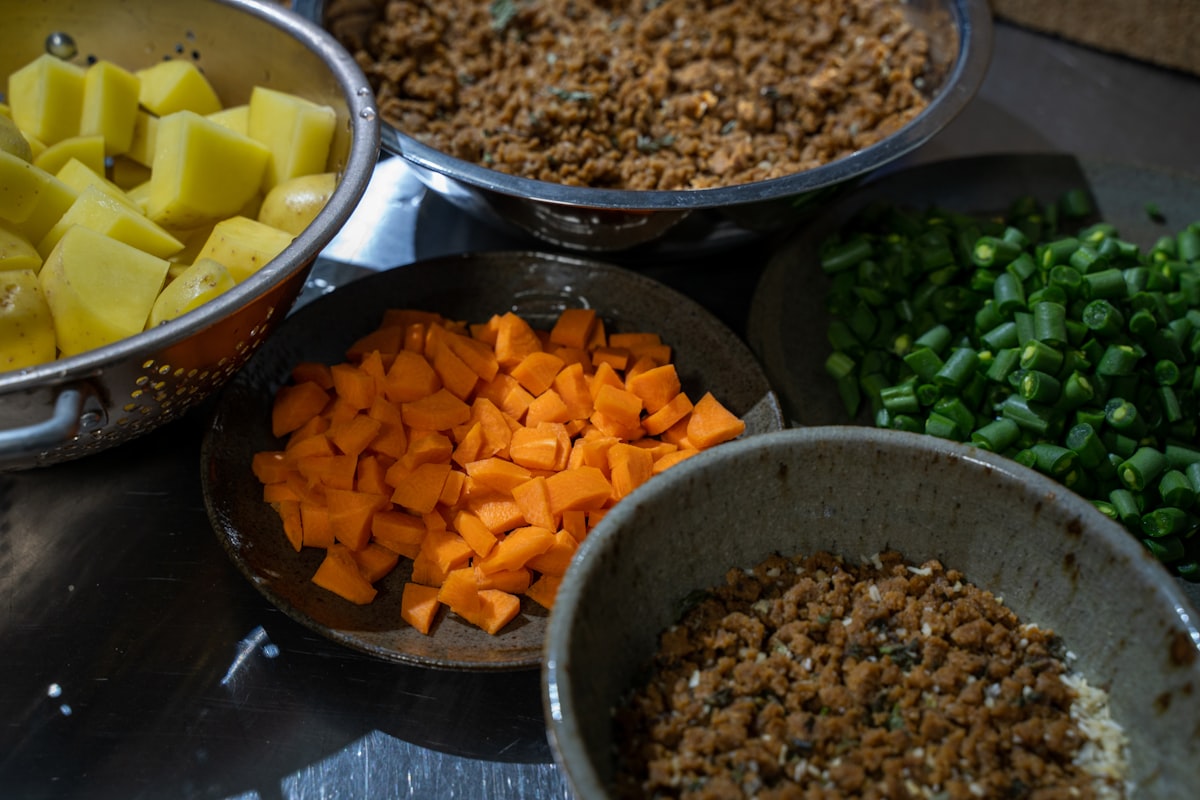
Fermented Vegetable Condiments
Time-based fermentation develops complex, tangy, and probiotic-rich condiments that elevate any meal. This ancient technique requires patience but creates flavors unavailable through any other cooking method, adding sophistication and functional value.
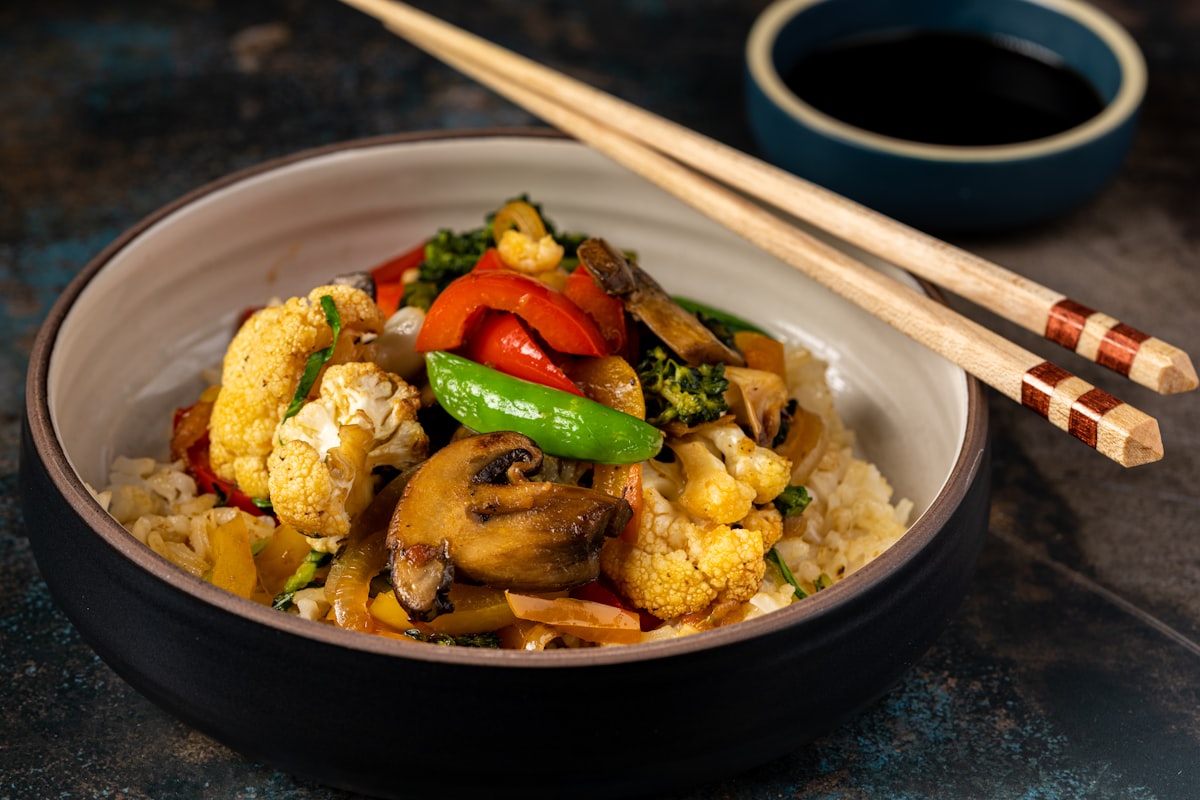
Balanced Grain Composition
Perfectly cooked whole grains serve as canvases for technique mastery. Proper grain cooking preserves texture while absorbing flavor. When combined with varied vegetable preparations and balanced seasonings, simple ingredients create complete, satisfying meals.
Learn These Techniques in Depth
Explore comprehensive articles and detailed guides that break down plant-forward cooking methods step by step.
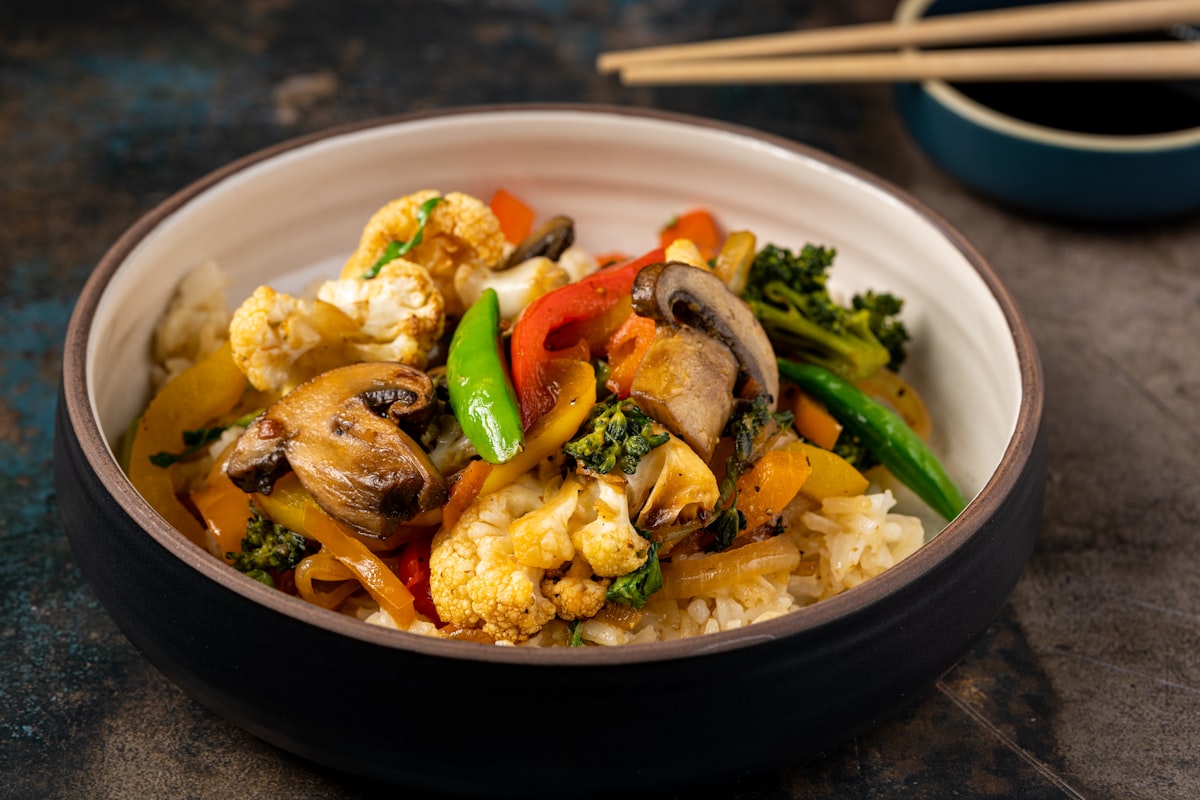
The Science of Caramelization
Understand the Maillard reaction and caramelization process. Learn temperature points, timing, and how to prevent burning while achieving golden, complex flavors in vegetables and grains.
Read more →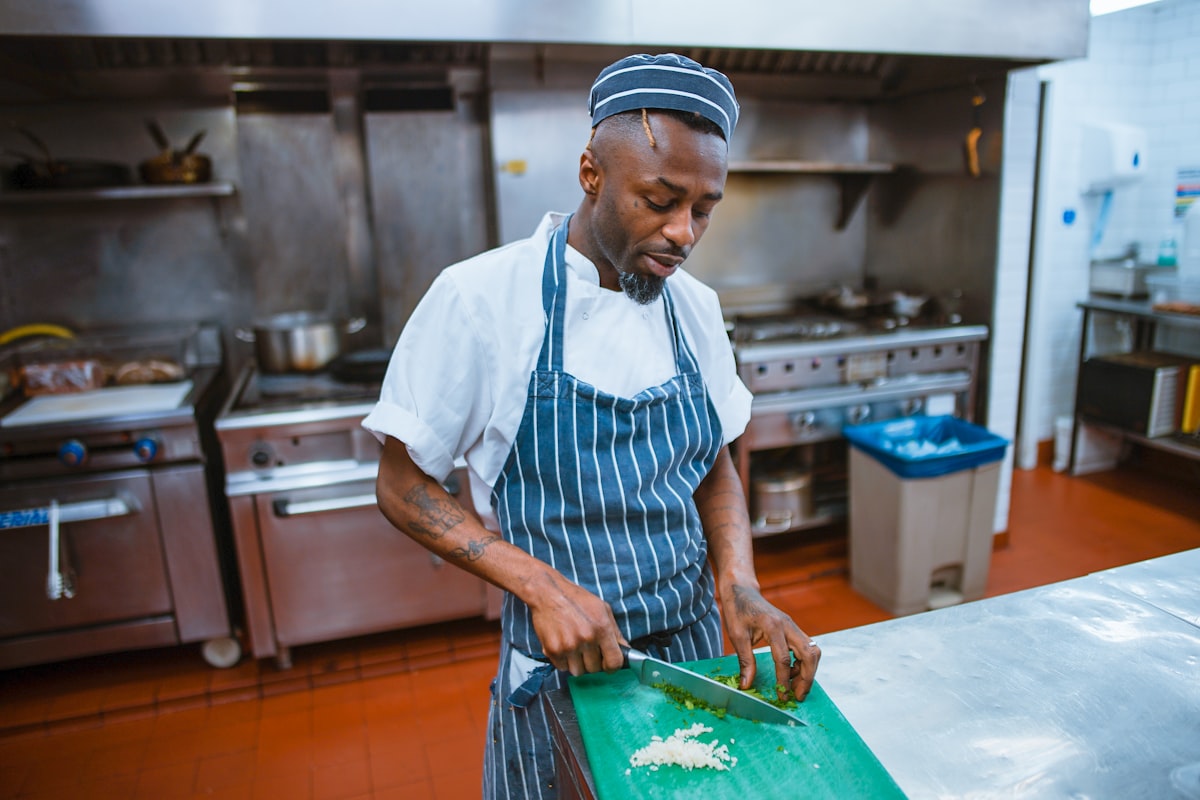
Building Umami in Plant-Based Cooking
Discover natural umami sources, concentration methods, and flavor-pairing strategies. Learn how fermented, aged, and high-heat-cooked ingredients create deeply satisfying meals.
Read more →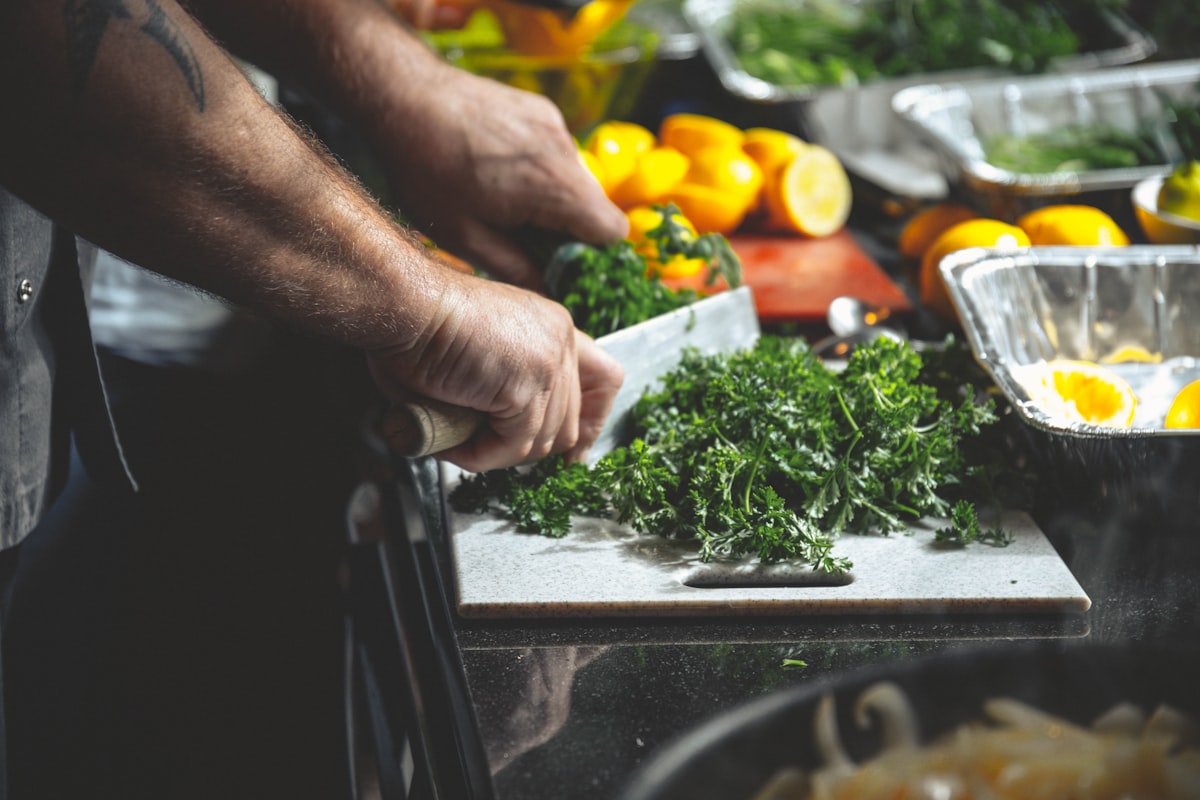
Mastering Legumes & Plant Proteins
Complete guide to cooking beans, lentils, and tofu. Learn soaking techniques, seasoning strategies, and how different cooking methods affect texture and flavor.
Read more →Common Questions About Plant-Forward Techniques
Get answers to frequently asked questions about incorporating plant-based nutrition into your daily life.
How do I get enough protein on a plant-forward diet?
Plant-based proteins include legumes (beans, lentils), tofu, tempeh, nuts, seeds, and whole grains. Combining different protein sources throughout the day ensures you receive all essential amino acids your body needs.
Can I transition gradually to plant-forward eating?
Absolutely. Start by adding more plant-based meals to your week, then gradually increase the proportion. There's no need to change everything overnight—sustainable transitions work best.
What supplements should I consider?
Key nutrients to monitor include B12, vitamin D, omega-3s, iron, and zinc. A registered dietitian can help you determine which supplements are right for your individual needs.
How do I meal prep plant-forward dishes?
Cook grains and legumes in bulk on weekends, prepare fresh vegetables, and combine them into mix-and-match containers. This strategy saves time and ensures nutritious meals throughout the week.
What Our Community Says
Real stories from people transforming their health through balanced nutrition.
"Since switching to a plant-forward approach with Balancednutritionlab's guidance, I've never felt better. My energy levels are through the roof and my digestion has improved significantly."
Sarah Mitchell
Certified Health Coach
"The meal prep strategies I learned have saved me hours each week. Plant-based cooking is no longer intimidating—it's become my favorite way to eat."
Marcus Johnson
Fitness Enthusiast
"I was skeptical at first, but the personalized nutrition plans from Balancednutritionlab were exactly what I needed. My labs improved and I lost weight sustainably."
Jennifer Chen
Wellness Advocate
Ready to Transform Your Nutrition?
Start your plant-forward journey today with expert guidance, personalized meal plans, and community support from Balancednutritionlab.
Join over 10,000+ members making healthier choices every day.